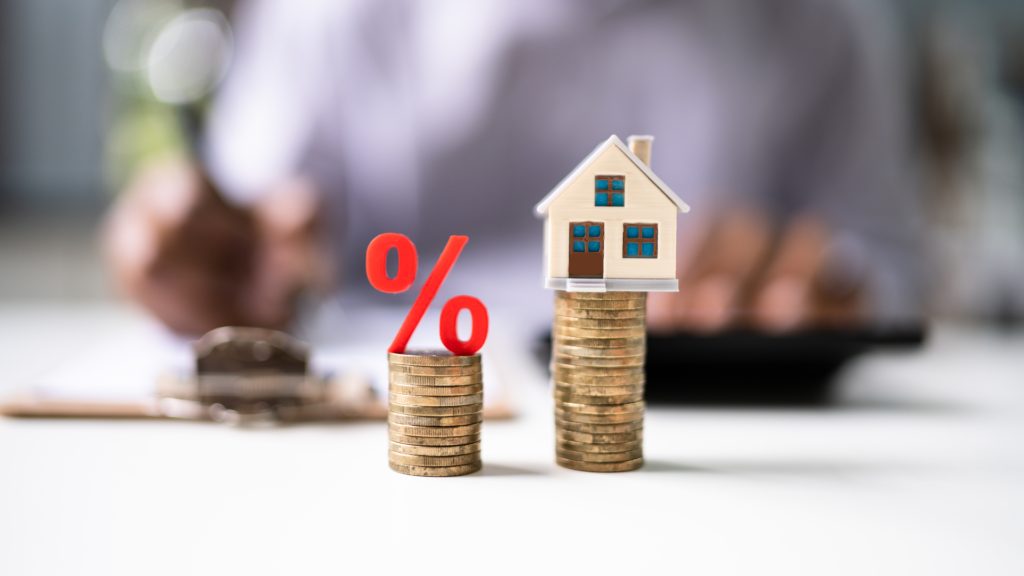
When applying for a loan in India, one of the most confusing decisions borrowers face is choosing between a fixed interest rate and a floating interest rate. Many people select an option without fully understanding how it will impact their EMIs, total repayment, and long-term financial stability. A fixed interest rate remains constant throughout the loan tenure, while a floating interest rate changes based on market conditions and benchmark rates. This single decision can significantly influence how much you ultimately pay for your loan.
Borrowers often focus only on the starting EMI, but interest rate structure determines future affordability and risk exposure. A fixed rate offers stability and predictability, whereas a floating rate provides flexibility and potential savings when interest rates fall. Choosing the wrong option can lead to unnecessary stress or higher costs later. Loanvisor helps borrowers compare both options based on income stability, loan tenure, and risk tolerance so they can make the right decision from the start.
The best interest rate isn’t the lowest—it’s the one that protects your future cash flow.
- Loanvisor Team
How Fixed Interest Rate Loans Work and Who They Are Best For
Fixed interest rate loans offer the comfort of knowing that your EMI will remain unchanged throughout the loan tenure. This makes budgeting easier, especially for salaried individuals with fixed monthly income. Fixed-rate loans are ideal during periods of rising interest rates, as borrowers are protected from market fluctuations and sudden EMI increases.
However, fixed-rate loans usually come with slightly higher interest rates compared to floating-rate loans. They may also have stricter prepayment or foreclosure charges. Borrowers planning short-term loans or those who value EMI stability over savings may benefit more from fixed interest options. Loanvisor helps borrowers evaluate whether the stability of a fixed rate outweighs the higher cost for their specific financial situation.
How Floating Interest Rate Loans Work and Their Long-Term Impact
Floating interest rates are linked to external benchmarks such as the RBI repo rate and change periodically based on market conditions. When interest rates fall, borrowers benefit from reduced EMIs or shorter loan tenures, leading to significant savings over time. This makes floating-rate loans attractive for long-term borrowing, especially home loans.
The downside is uncertainty. EMIs may increase if interest rates rise, which can strain monthly budgets. Borrowers with stable income growth and financial buffers handle floating rates better than those with tight cash flow. Loanvisor analyzes rate trends and borrower profiles to recommend whether a floating rate aligns with long-term financial goals.
Are you confused between fixed and floating interest rate options?
Would understanding future EMI impact help you choose better?
Do you want expert guidance to select the right interest rate structure?